Possible treatments following consultation
You can view factual treatment options and prices for Skin Infections below without an account. Choose one to start your free consultation. No medicine is guaranteed: a prescriber will assess your answers and decide with you what is safe and suitable.

Skin Infections
Canesten Hydrocortisone Cream
£5.99 - £17.07
3 options available
Skin Infections
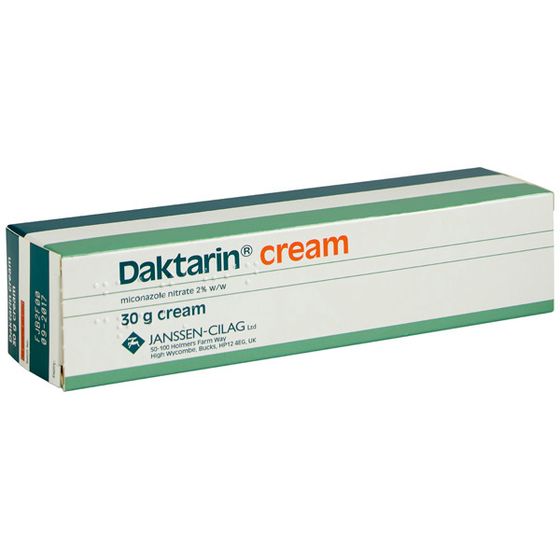
Daktarin (Miconazole) 2% Cream
£8.99 - £26.37
3 options available

Skin Infections
Daktacort Hydrocortisone Cream
£7.99 - £22.77
3 options available

Skin Infections
Betamethasone with Clioquinol Cream
£64.99 - £125.98
2 options available

Skin Infections
Betamethasone with Neomycin Cream
£64.99 - £125.98
2 options available
Skin Infections
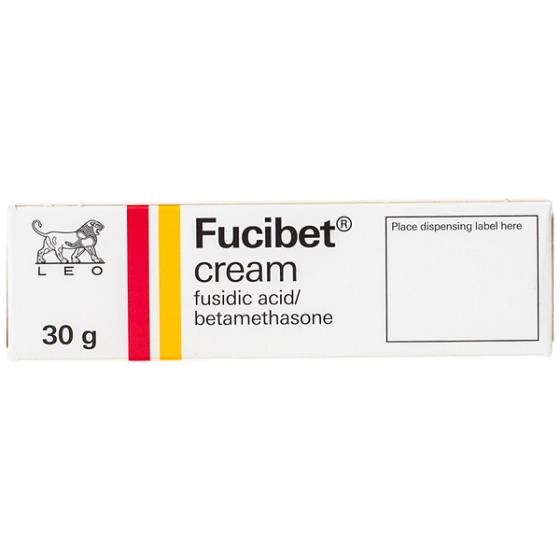
Fucibet Cream
£12.49 - £21.98
2 options available
Skin Infections
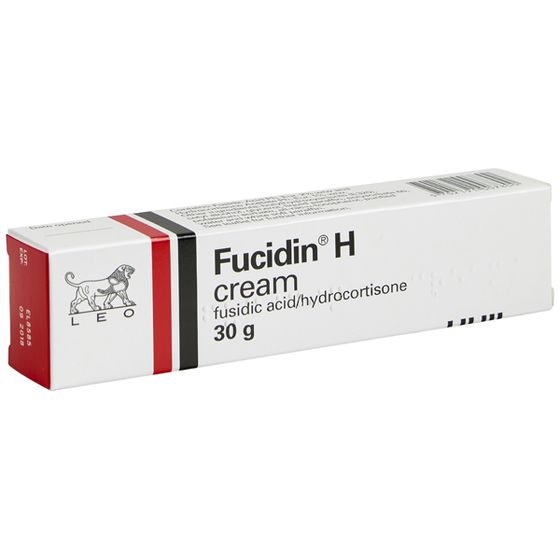
Fucidin H Cream
£15.99 - £27.98
2 options available

Skin Infections
Fucidin Cream
£9.99 - £29.98
4 options available
Skin Infections
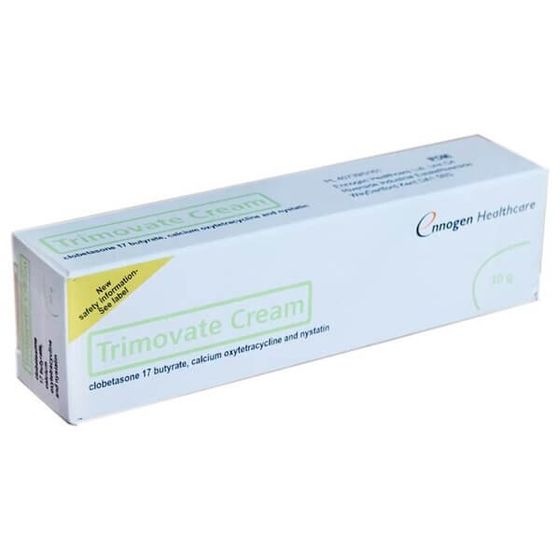
Trimovate Cream
£30.99

Skin Infections
Daktarin Gold 2% Cream
£8.99 - £26.97
3 options available

Skin Infections
Terbinafine 1% Cream
£19.49 - £34.98
2 options available

Skin Infections
Fusidic Acid Cream
£8.99 - £27.98
4 options available

Skin Infections
Nizoral Ketoconazole 2% Cream
£15.99 - £27.98
2 options available

Skin Infections
Nystaform Cream
£19.99 - £39.98
4 options available

Skin Infections
Nystaform Cream
£19.99 - £33.98
2 options available
Skin Infections
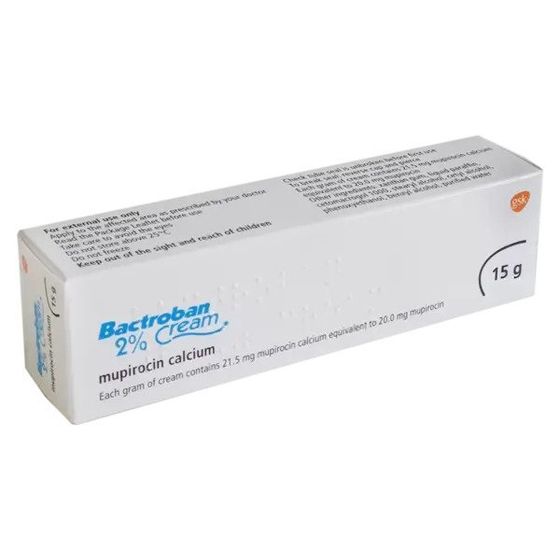
Bactroban 2% Cream
£14.99 - £27.98
2 options available

Skin Infections
Bactroban 2% Ointment
£19.49
Skin Infections
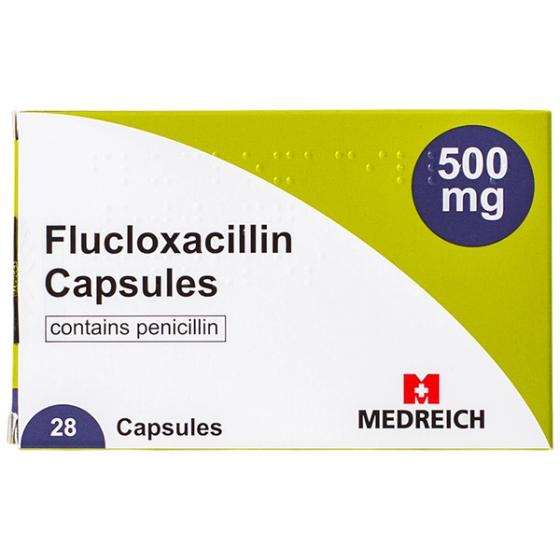
Flucloxacillin capsules
£28.99
Skin Infections
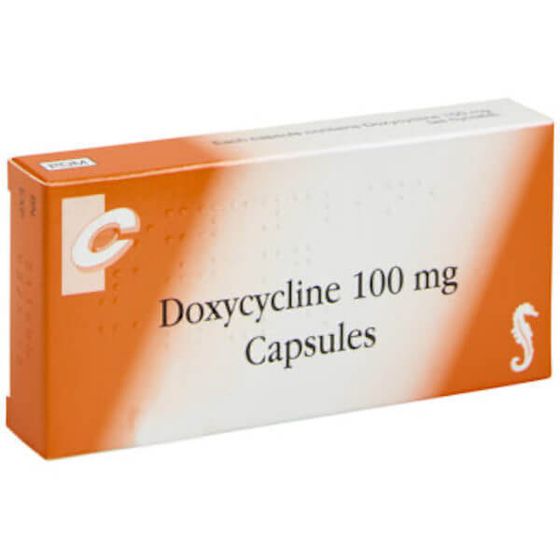
Doxycycline 100mg Capsules
£28.99
Skin infections can be caused by bacteria or fungi and may lead to redness, itching, soreness, scaling or weeping areas of skin. GetMyMeds offers treatments, including combination creams that tackle infection alongside inflammation, to help clear the affected area and ease symptoms.
How It Works
- Complete an online consultation describing your symptoms, where they are and how long they have lasted.
- A clinician reviews your information to confirm whether the treatment is appropriate and safe for you.
- Once approved, your treatment is sent out in plain, discreet packaging for delivery to your chosen address.
Who Is It For
These treatments may suit adults dealing with localised bacterial or fungal skin infections, or inflamed, infected patches of eczema or dermatitis. Some products combine an anti-infective with a mild steroid to calm inflammation. If your symptoms are spreading quickly, you feel generally unwell, or the area is very painful or hot, you should seek in-person medical advice promptly rather than treating it at home.
FAQ
How do I know if my rash is infected? Signs can include increasing redness, warmth, swelling, pus or a spreading area. If you are unsure, a clinician can review your symptoms during the consultation and advise on next steps.
Why do some creams contain a steroid as well? Combination creams pair an anti-infective with a mild steroid to treat infection while reducing the itching and inflammation that often come with it. They are intended for short-term use under guidance.
What if my infection does not improve? If there is little or no improvement after the recommended course, or symptoms worsen, contact a clinician or your GP, as a different treatment or further assessment may be needed.