Possible treatments following consultation
You can view factual treatment options and prices for Altitude Sickness below without an account. Choose one to start your free consultation. No medicine is guaranteed: a prescriber will assess your answers and decide with you what is safe and suitable.
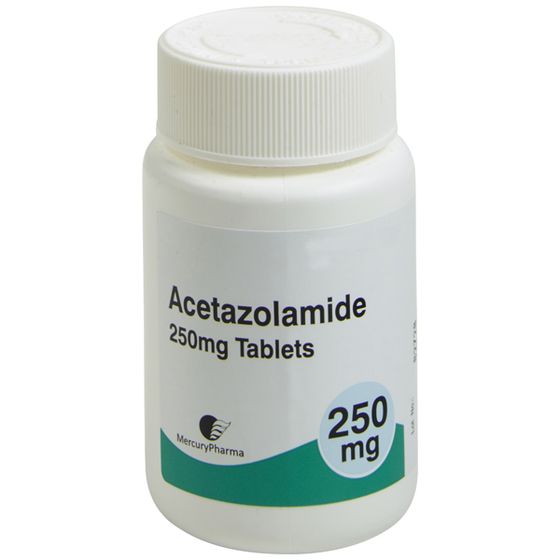
Altitude sickness can affect travellers who ascend to high elevations too quickly, causing symptoms such as headache, nausea, dizziness and tiredness. GetMyMeds offers preventative treatment that can help reduce the risk, reviewed by a clinician to ensure it is right for you and your trip.
How It Works
- Complete an online consultation about your travel plans, planned altitude and medical history.
- A clinician reviews your details to confirm the treatment is suitable for you.
- If approved, your treatment is dispatched discreetly in good time before you travel.
Who Is It For
Preventative treatment may suit travellers planning to ascend rapidly to high altitude, for example on trekking or climbing trips, where a gradual ascent is not possible. Medication can help, but it works best alongside sensible precautions such as ascending slowly, allowing time to acclimatise, staying hydrated and not over-exerting early on. If severe symptoms develop at altitude, the most important step is to descend.
FAQ
Does medication mean I can ascend as fast as I like? No. Preventative treatment lowers the risk but does not remove it. A gradual ascent and proper acclimatisation remain the most effective ways to avoid altitude sickness.
When do I start taking it? Preventative treatment is usually begun a day or two before ascending and continued for part of the time at altitude. Your consultation will explain the timing for your trip.
What are the warning signs of serious altitude illness? Severe headache, confusion, breathlessness at rest, a persistent cough or difficulty walking are red flags. These require immediate descent and urgent medical attention.